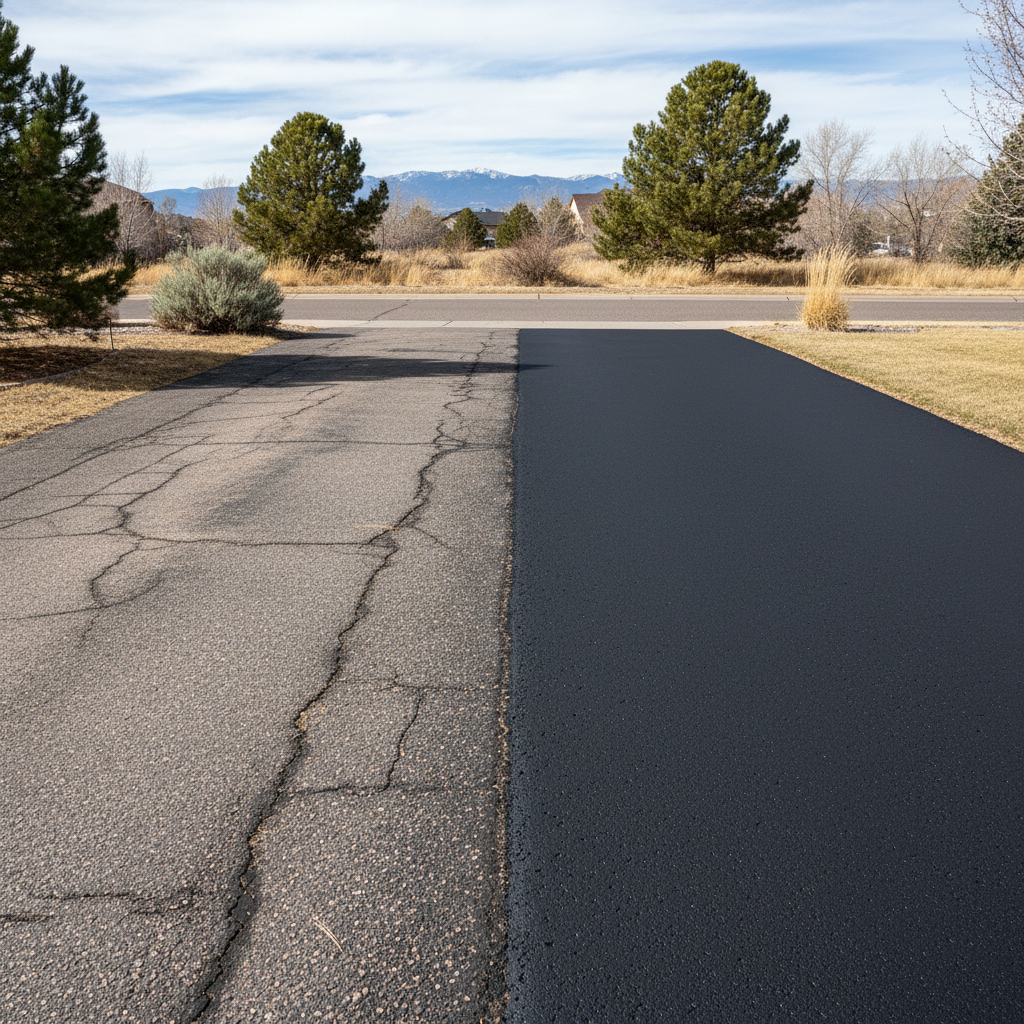
Thinking about a new driveway, are we? Maybe your old one's seen better days, or you're building something fresh. Whatever the reason, you've probably narrowed things down to two main choices: asphalt or concrete. As a local contractor, I hear this question all the time, especially right here in Thornton.
Both options have their good points and bad, and what's "best" really boils down to what you're after, your budget, and how much fuss you want to deal with later on. Let's just talk straight about what you can expect from each.
The Upfront Cost: Where Does Your Money Go?
Let's just get this out of the way first. Generally speaking, asphalt will be cheaper to install than concrete. We're talking about the initial price tag here, the one you see right away. Asphalt's materials are often less expensive, and we can lay it down a bit quicker, which saves on labor costs. If you're on a tighter budget but still want a solid, functional driveway without breaking the bank, asphalt usually wins this round.
Concrete, though, costs more per square foot. The materials are pricier, and the installation process is a bit more involved, needing more specialized finishing and curing time. So, if you're picturing a big, fancy concrete driveway, be ready for a higher initial investment.
Durability and Lifespan: How Long Will It Last?
Now, this is where things get interesting, especially with our crazy Colorado weather. Both asphalt and concrete can last a long time, assuming they're installed correctly and maintained properly. But they handle things pretty differently.
Asphalt is flexible. That's its superpower, really. It can expand and contract with our huge temperature swings — from scorching summer days to those deep freezes we get in January. This flexibility means it's less likely to crack from freeze-thaw cycles than concrete. However, asphalt can soften in extreme heat, and it's more prone to damage from heavy vehicles or oil spills if you're not careful. A well-maintained asphalt driveway can easily last 15-20 years, sometimes even longer.
Concrete is rigid. It's tough, absolutely. It handles heavy loads really well and doesn't mind gas or oil spills. The downside? That rigidity makes it more vulnerable to cracking from our freeze-thaw cycles, especially if the sub-base isn't prepared perfectly or if the concrete mix isn't quite right. You'll often see expansion joints cut into concrete, which helps control where those cracks might show up. A good concrete driveway can last 20-30 years, but you might notice some surface flaking or hairline cracks developing over time. It happens.
Maintenance: What's the Ongoing Chore List?
Nobody wants a high-maintenance driveway, right? This is another area where asphalt and concrete differ quite a bit.
- Asphalt: It needs regular sealing. I usually recommend sealing your asphalt driveway every 2-5 years, depending on how much traffic it sees and how much sun it gets. This sealcoat protects the surface from UV rays and water, and it helps keep it looking fresh. It's not a huge job, and it's relatively inexpensive compared to other home maintenance tasks. You'll also want to fill any small cracks that pop up quickly; that stops water from getting underneath and causing bigger problems.
- Concrete: Generally, concrete is considered lower maintenance. You don't need to seal it every few years like asphalt. However, it's a good idea to seal it initially after it cures, and then maybe every 5-10 years to protect against stains and moisture. If cracks do appear in concrete, they're often harder to repair seamlessly than asphalt cracks. You might need to patch them, and the patch usually won't match the original concrete color perfectly.
Appearance and Curb Appeal: What Look Are You Going For?
This is purely a matter of taste, but both offer different aesthetics.
- Asphalt: It's got that classic, dark, smooth look. It provides a nice contrast to green lawns and can really make your landscaping pop. While it's typically black, it can fade to a lighter gray over time if not sealed regularly. Some folks think it looks more "natural" or understated.
- Concrete: Concrete is brighter, usually a light gray or white, which can make your property feel bigger and more open. You can also get it stamped or stained to mimic other materials like brick or stone, giving you a lot more design flexibility. This can definitely boost your curb appeal, especially if you're going for a specific architectural style, like some of those modern homes going up near the Orchard Town Center area.
My Recommendation for Thornton Homeowners
Alright, so what's the verdict for us here in Thornton?
Considering our climate — those hot summers, the brutal winters, and the constant freeze-thaw cycles — I lean towards asphalt for most residential driveways. Its flexibility is a huge advantage when the ground is constantly shifting and expanding. It handles our soil conditions, which can be pretty expansive in some parts of Adams County, better than rigid concrete.
Yes, it needs regular sealing, but that's a relatively easy and cost-effective maintenance item that protects your investment. Plus, the lower upfront cost is always a win for homeowners.
Now, if you've got your heart set on a specific decorative look that only stamped concrete can provide, or if you simply prefer the brighter aesthetic and are prepared for the higher initial cost and potential for more noticeable crack repairs, then concrete is still a viable option. But for pure functionality, durability against our weather, and long-term value, asphalt often comes out ahead.
At Thornton Paving Co, we do both, and we do 'em right. But if you're asking me what I'd put in my own driveway here in town, I'd probably go with asphalt. It just makes sense for our conditions.