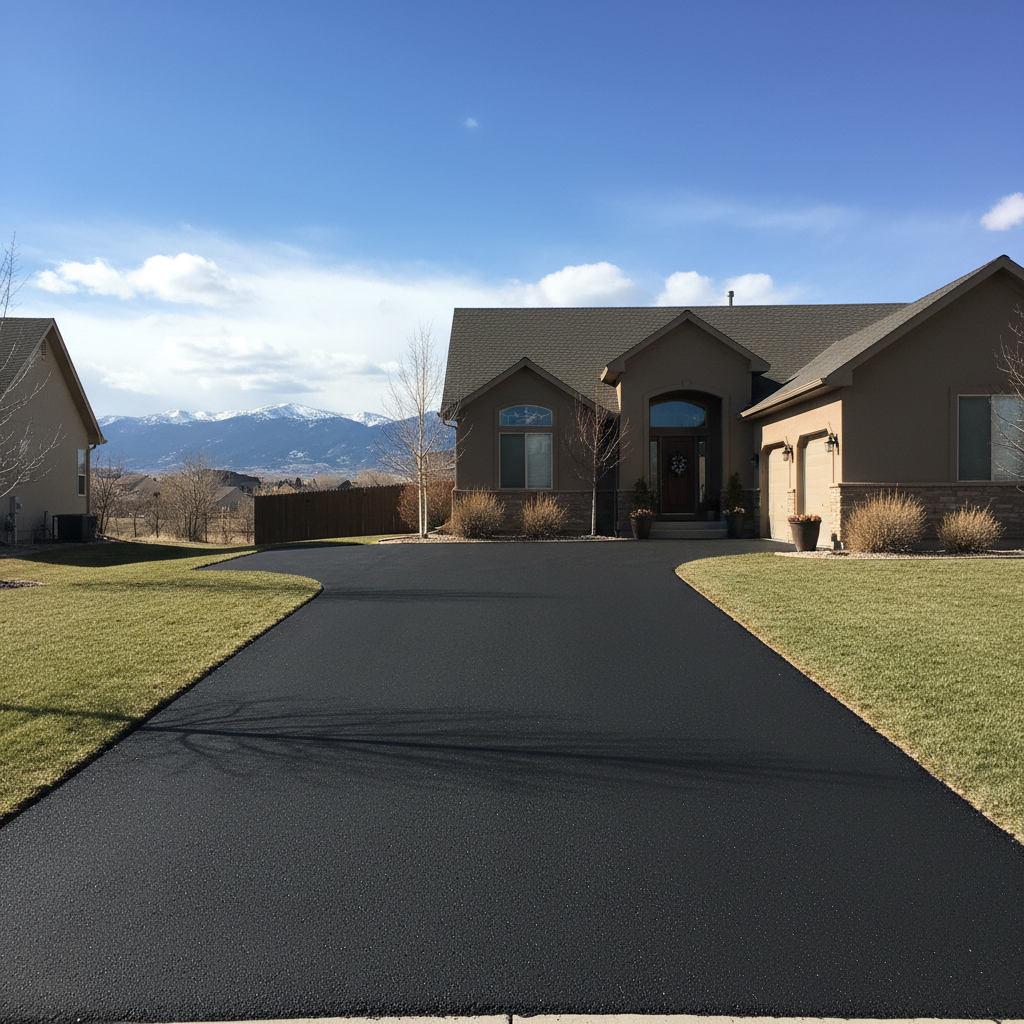
Your asphalt driveway is a big investment, right? Of course it is. You want it to last, to look good, and to protect your home's curb appeal. I totally get that. Here in Thornton, we see all sorts of weather that can really beat up a driveway, from those scorching summer days to the brutal freeze-thaw cycles we get in winter. Proper maintenance isn't just about making it look pretty, you know; it's about protecting that investment and avoiding bigger, more expensive problems down the road.
Extend Your Driveway's Life: It's Easier Than You Think
The biggest thing you can do to extend the life of your asphalt is protect it from the elements and heavy loads. Think of it like sunscreen for your driveway. Here's what I recommend:
- Sealcoating: This is your first line of defense. A good sealcoat every 2-3 years, depending on traffic and sun exposure, protects the asphalt from UV rays, water getting in, and oil spills. It's like a fresh coat of paint that keeps everything sealed up tight.
- Keep it Clean: Don't let oil, gas, or other chemicals just sit on your driveway. They'll break down the asphalt binder over time. Clean up spills quickly. And sweep off dirt, leaves, and debris regularly too. Organic matter can trap moisture and speed up deterioration.
- Manage Drainage: Water is asphalt's worst enemy, no doubt about it. Make sure water isn't pooling on your driveway, especially near the edges or in low spots. If you've got a section that always seems to hold water after a rain or snowmelt, that's a problem waiting to happen.
- Limit Heavy Loads: I know, sometimes you've gotta park that RV or heavy trailer. But try to limit how long extremely heavy vehicles sit in one spot. Concentrated weight can create depressions or cracks over time, especially in our expansive clay soils around the Larkridge area.
Regular Maintenance: Your Annual Checklist
Beyond sealcoating, there are a few simple things you should be doing every year to keep your driveway in top shape:
- Inspect Regularly: Walk your driveway at least once a season. Look for new cracks, potholes, or areas where the surface seems to be deteriorating. Spring is a great time to do this after the winter's abuse.
- Crack Sealing: This is huge. Small cracks, especially those hairline ones, are open invitations for water to get under your asphalt. Once water gets in and freezes, it expands, making those cracks bigger and eventually leading to potholes. Seal those cracks as soon as you see them. It's much cheaper to seal a crack than to repair a pothole.
- Edge Protection: The edges of your driveway are often the weakest points. Consider adding some sort of border, like pavers or concrete, to support the edges and prevent crumbling.
Warning Signs: Don't Ignore These
Your driveway will usually give you clues when something's wrong. Pay attention to these:
- Alligator Cracking: This looks like a series of interconnected cracks, much like an alligator's skin. It means the base layer is failing, and water has likely gotten underneath. This isn't just a surface problem; it's a structural one.
- Potholes: Obvious, right? But they start small. A pothole means the asphalt has completely failed in that spot, usually because water got in through cracks and eroded the base.
- Raveling: This is when the aggregate (the small stones) starts to come loose from the asphalt binder, making the surface rough and crumbly. It's a sign of aging and oxidation.
- Fading and Discoloration: While not a structural issue, a gray, faded driveway means the asphalt is oxidizing and losing its protective oils. It's a good indicator that it's time for sealcoating.
- Standing Water: If you've got puddles that don't drain within a few hours after a rain, you've got a drainage problem that needs addressing.
When to Call a Professional
Look, some things you can handle yourself, like sweeping or cleaning up a small oil spill. But for bigger jobs, you really need to bring in the pros. Here's when to pick up the phone:
- Extensive Cracking: If you've got widespread alligator cracking or cracks that are wider than a quarter-inch and run deep, you need professional assessment. Simple crack filler just won't cut it.
- Potholes: While you can patch a small pothole yourself, a professional repair will be more durable and blend better. If you have multiple potholes, it's definitely time for us to take a look.
- Drainage Issues: Fixing standing water often requires regrading or installing proper drainage solutions, which is a job for experienced paving contractors.
- Major Deterioration: If your driveway is crumbling, heaving, or sinking in large sections, it's beyond DIY. You might need a complete resurfacing or even a full replacement.
- Sealcoating: While some homeowners try it, getting a consistent, even, and durable sealcoat is best left to the experts. We have the right equipment and materials to do it right.
Don't wait until your driveway is a total mess. A little proactive maintenance goes a long way in saving you money and headaches. Here at Thornton Paving Co, we're always happy to come out, take a look, and give you an honest assessment of what your driveway needs. We'll help you keep it looking good and performing well for years to come.