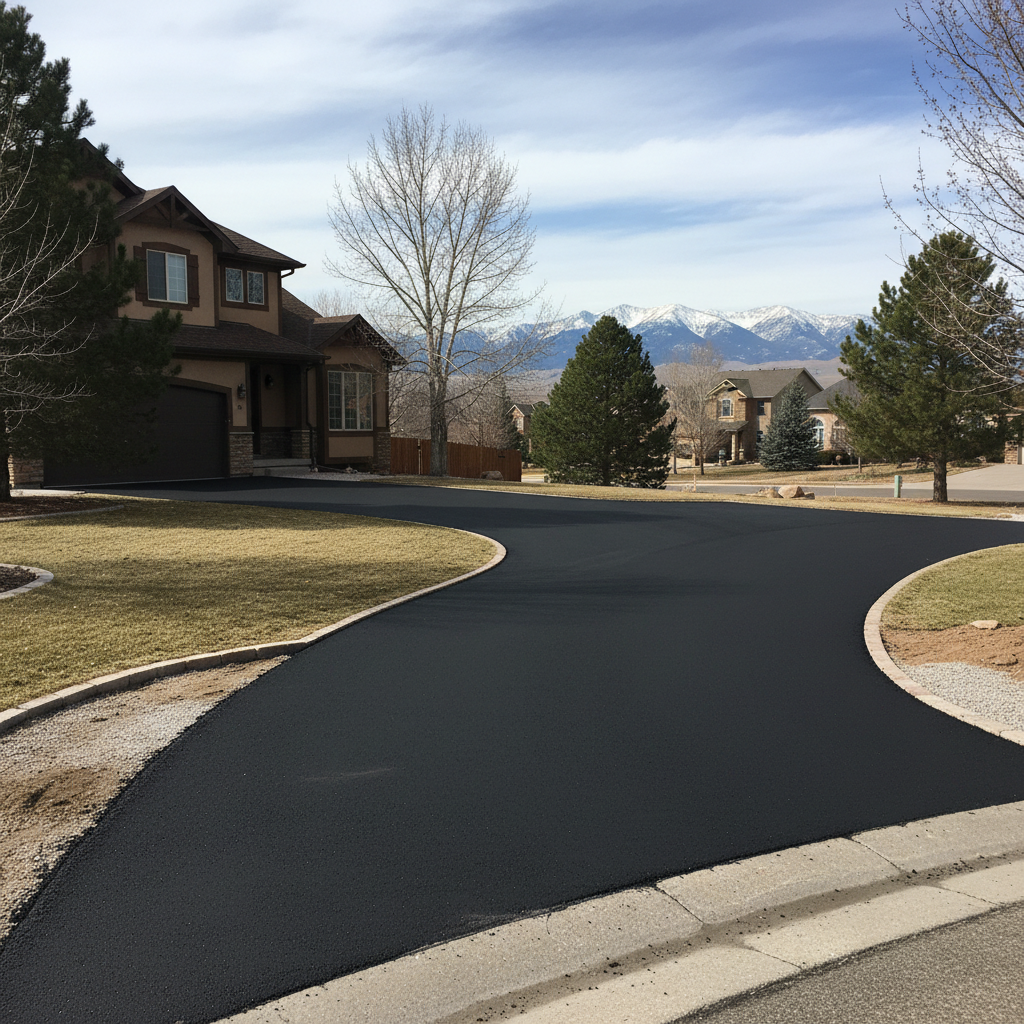
You're probably thinking about your driveway, right? Maybe it's got a few cracks, or it just looks a bit tired. The big question I hear from folks all over Thornton, from Riverdale to Eastlake, is always about timing. When's the best time to get asphalt work done, and how does our wild Colorado weather fit into all of that?
The Sweet Spot for Asphalt Work in Thornton
Let's get straight to it. The absolute best time to schedule any big asphalt job – like putting in a new driveway or a major overlay – is during our warmer, drier months. Think late spring, all through summer, and right into early fall. What does that actually mean for us here? Usually, it's from about May through September, sometimes even October if we get a nice, long fall.
Why then, you ask? Asphalt needs heat to cure properly. When we lay down fresh asphalt, it's scorching hot, and as it cools, it gets hard. If the ground is too cold, or if there's too much moisture around, it messes with that whole process. You end up with a driveway that doesn't compact correctly, doesn't bond as well, and honestly, just won't last as long. We're talking about temperatures consistently above 50 degrees Fahrenheit, both during the day and overnight. That's super important for the material to reach its maximum density and strength. Trying to rush it in colder weather just causes problems down the road, and nobody wants that, do they?
Weather Conditions That Make or Break Your Driveway
Beyond just temperature, other weather factors are a huge deal. Rain is a big no-go for laying asphalt. You simply can't put hot asphalt on a wet base. It creates steam pockets, weakens the bond, and just makes a big mess. If there's even a chance of heavy rain, we'll reschedule. It's just not worth risking the quality of your driveway.
Wind can also be an issue, especially for sealcoating. Strong winds can blow debris onto a fresh sealcoat, or even make it dry too quickly and unevenly. For bigger paving jobs, it's less of a concern, but we're always keeping an eye on the forecast. Our dry, windy springs here in Thornton can actually be a real pain for certain types of work.
Believe it or not, even too much sun right after paving can be a minor concern, but usually, it's a good thing. The sun helps keep the asphalt warm, which allows for better compaction. It's the cold and wet that are the real enemies, though.
Protecting Your Asphalt Investment Year-Round
Okay, so you've got this fantastic new driveway. What's next? Protecting it from our unique Colorado climate is crucial to making it last. It's not just about how it's installed; ongoing care is just as important.
- Sealcoating: Think of this as your driveway's sunscreen and raincoat. A good sealcoat every 2-3 years, depending on how much traffic it gets and how much wear it shows, protects your asphalt from UV rays, water getting in, and even chemicals like oil and gas. It keeps the surface flexible and stops cracks from forming too soon. We recommend sealcoating when temperatures stay consistently above 50 degrees for at least 24-48 hours after we apply it – so, spring through fall.
- Crack Sealing: Please don't ignore those small cracks! Our freeze-thaw cycles are absolutely brutal on asphalt. Water gets into those tiny cracks, freezes, expands, and then melts, leaving bigger cracks behind. Sealing them quickly, ideally before winter starts, stops this whole cycle. You can do this any time the cracks are dry and the temperature is above 40 degrees, but getting it done before the first hard freeze is just smart.
- Drainage: Make sure water isn't sitting on your driveway. If you've got standing water, especially near your house or garage, it's going to speed up how fast it wears down. Sometimes it's a simple fix, like clearing a clogged drain; other times it might need a small patch or a re-grading.
- Heavy Loads: Try to avoid parking heavy RVs or equipment on your driveway for long periods, especially in the summer heat when the asphalt is softer. That can cause depressions and ruts, you know?
- Winter Care: Be careful when you're removing snow. Don't use metal shovels or plow blades that can scrape and damage the surface. If you use de-icers, pick ones that are safe for asphalt. Sand is generally a good choice for traction without causing any damage.
Look, your driveway is a big investment. Getting the timing right for installation and then taking care of it all year will save you a ton of headaches and money later on. We've been doing this for a long time here at Thornton Paving Co, and we've seen what works and what definitely doesn't with our specific weather patterns. If you're unsure about anything, just give us a call. We're always happy to chat about your driveway and what it might need.